Applied Strategy Execution
Videos
Short films from Applied Strategy Execution. Each one explains a single idea in about two minutes and links to the page that goes deeper.
Start here
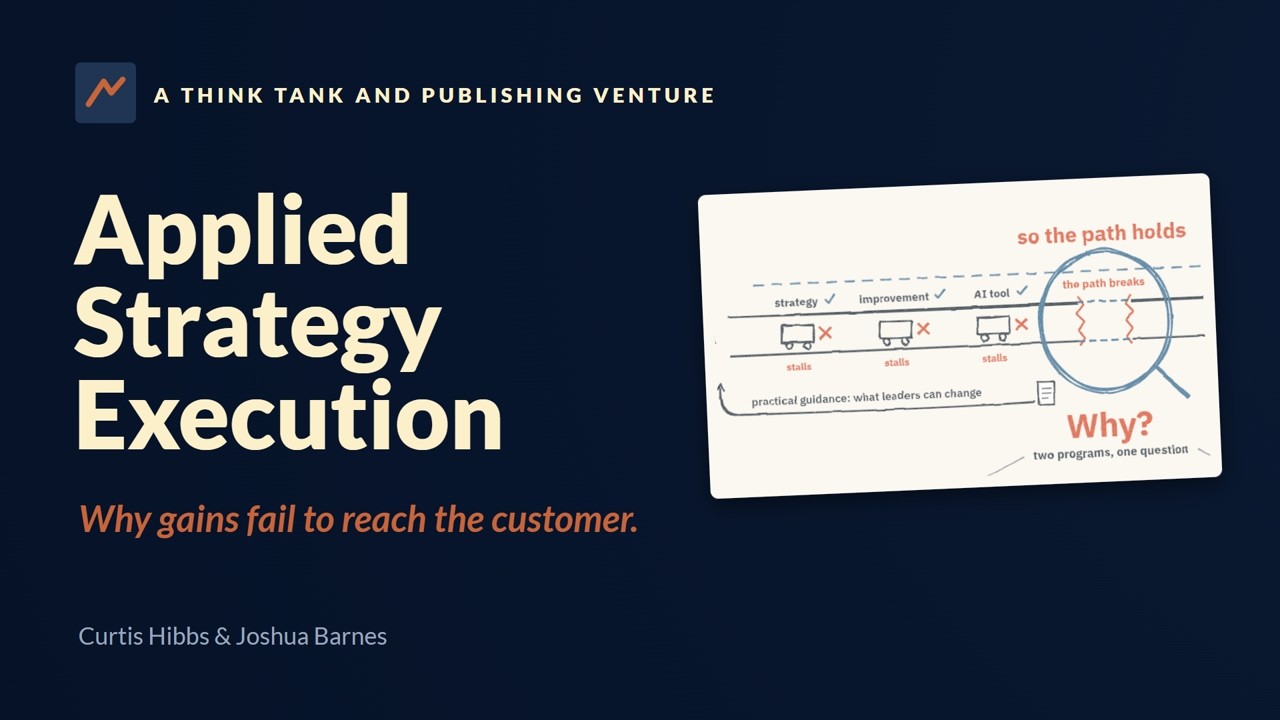
What Applied Strategy Execution is and what its two programs study.
-
 2:09
About the venture
Applied Strategy Execution: Why Gains Fail to Reach the Customer
The road from a decision to the customer, where it breaks, and the two programs that study it.
Applied End-to-End Flow
How value moves through an organization from strategy to delivery, and where it stalls.
-
 3:39
Overview: Enterprise
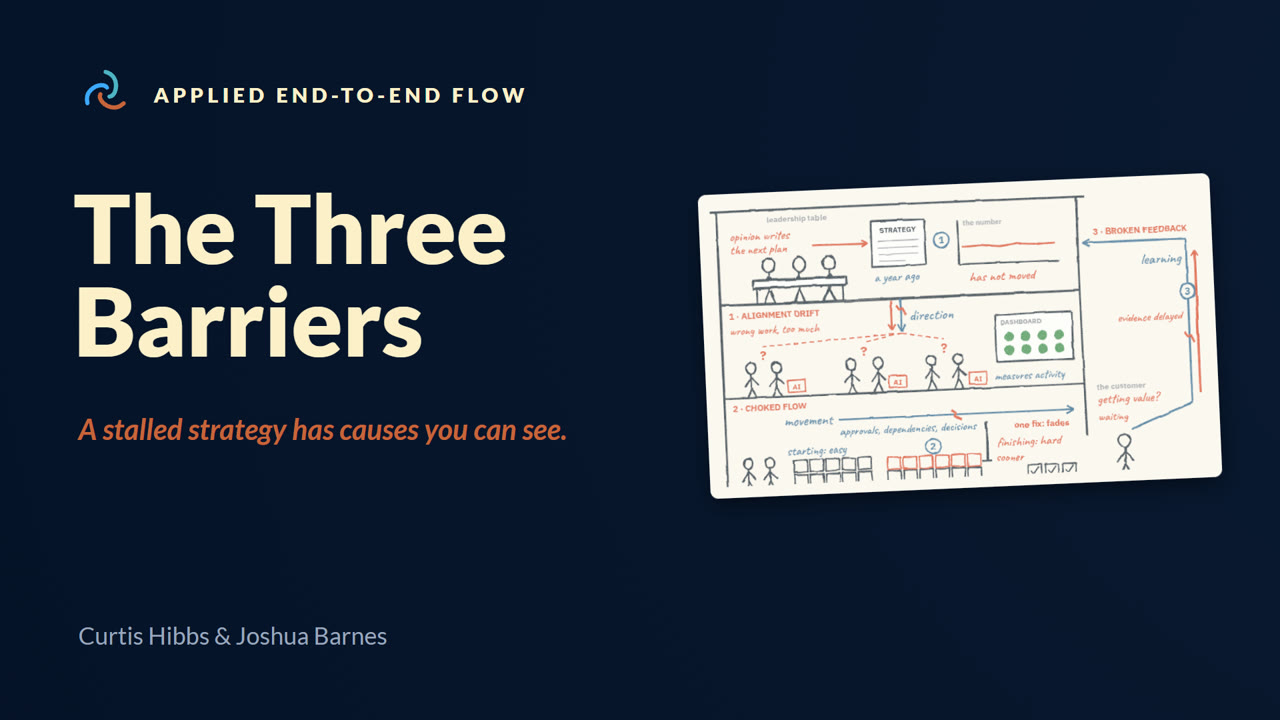
The Three Barriers: Why a Strategy Stalls
A strategy was approved a year ago, the initiatives shipped, and the number it was meant to move has not moved. The three barriers that can stop a strategy from becoming a result, the twenty-three gaps inside them, and how to read the gaps you recognize.
-
 2:59
Overview: Team
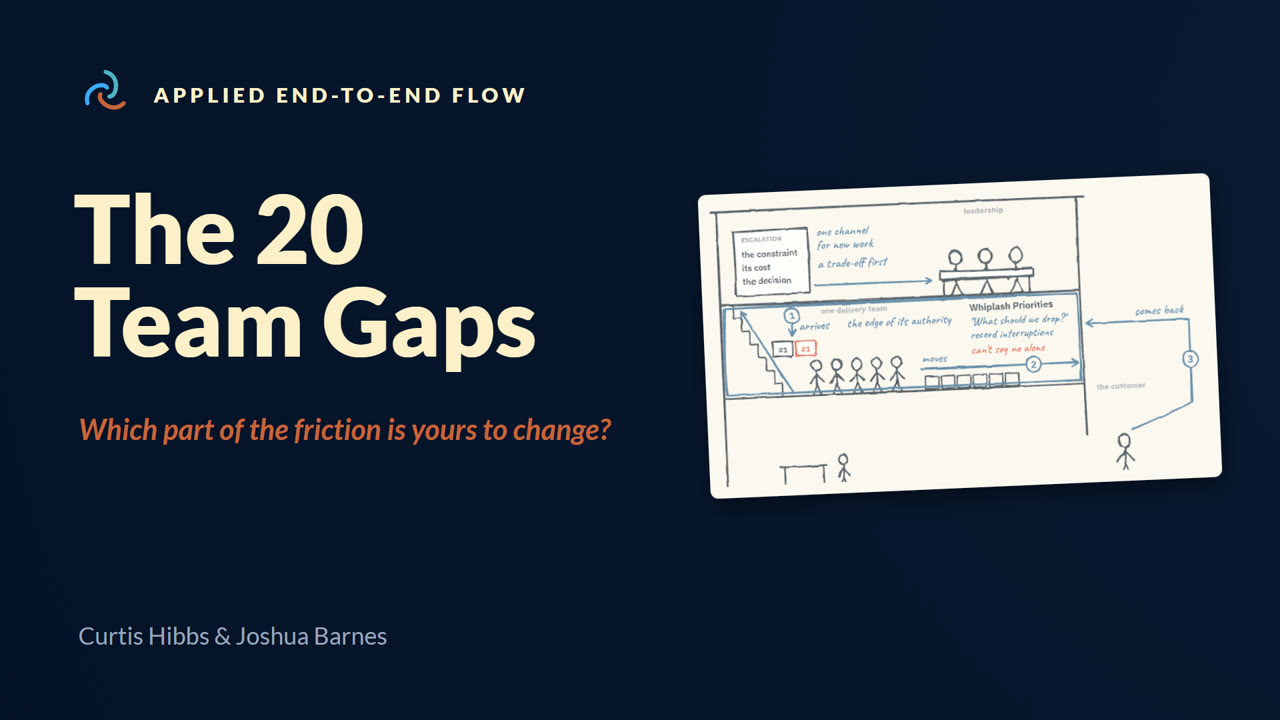
The 20 Team Gaps: Which Part of the Friction Is Yours to Change?
The same friction comes up in every retrospective, and each fix the team has tried has faded. Twenty gaps a team can observe, and for each one the question of whose move it is. One gap, Whiplash Priorities, shows the part a team can change itself and the part it has to carry up.
-
 2:38
Overview: Personal
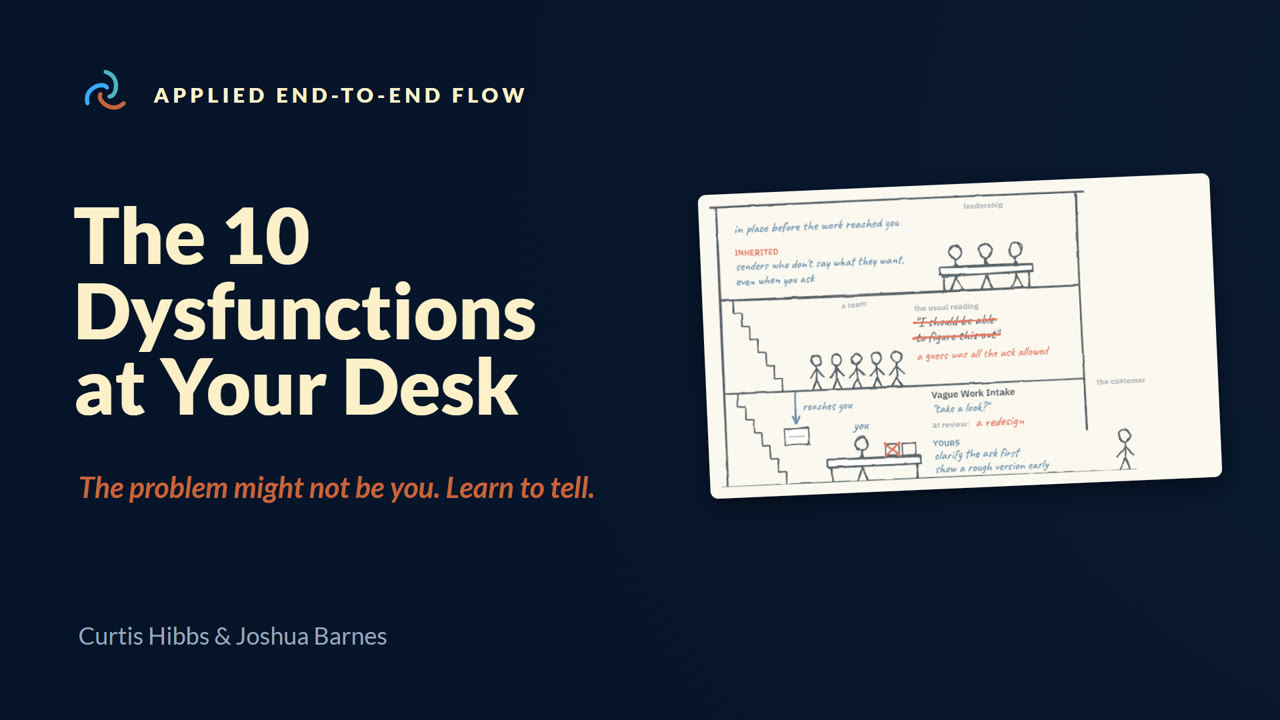
The 10 Dysfunctions at Your Desk: The Problem Might Not Be You
You end the week busy and behind, but some of what slowed you down was in place before the work reached you. Ten dysfunctions in how work reaches one desk, what part of each may be yours and what you inherited, and a log that lets the evidence tell you which.
-
 2:20
Enterprise Series, 6 of 23
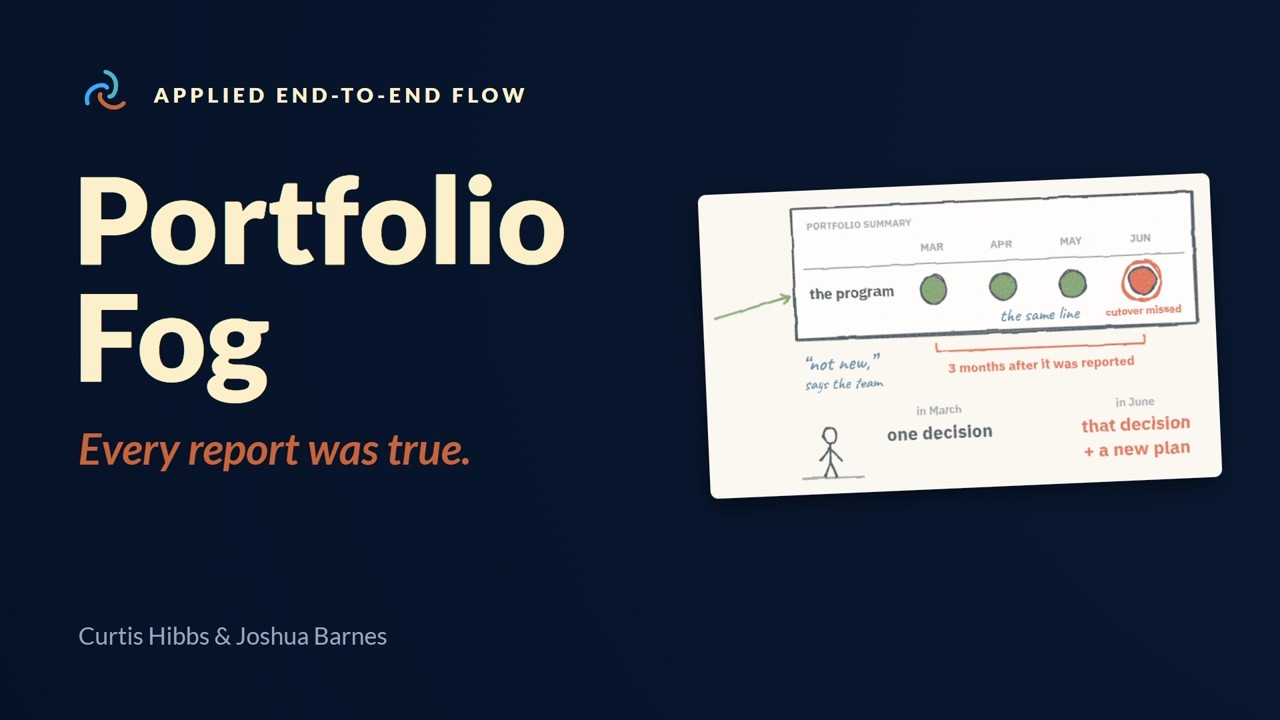
Portfolio Fog: Why Leaders Hear of a Block Months Late
One workstream reports itself blocked in March, truthfully, and the program stays green until it misses its cutover in June. Where the report stopped, what the wait cost, and how to measure the visibility lag where you work.
-
 2:09
Team Series, 2 of 20
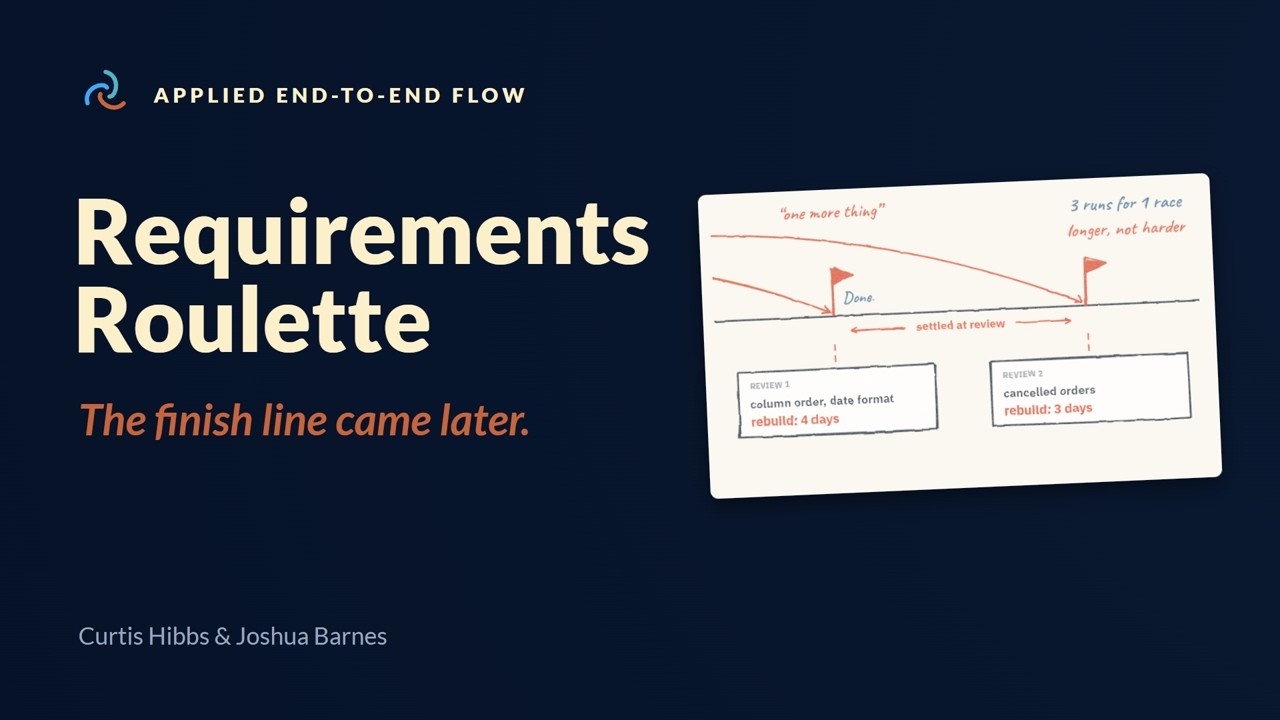
Requirements Roulette: Why Work Keeps Coming Back From Review
When work starts without a finish line, the team runs the race again at every review. Who sees that cost, who doesn't, and the one question to ask before the work starts.
-
 1:51
Personal Series, 2 of 10
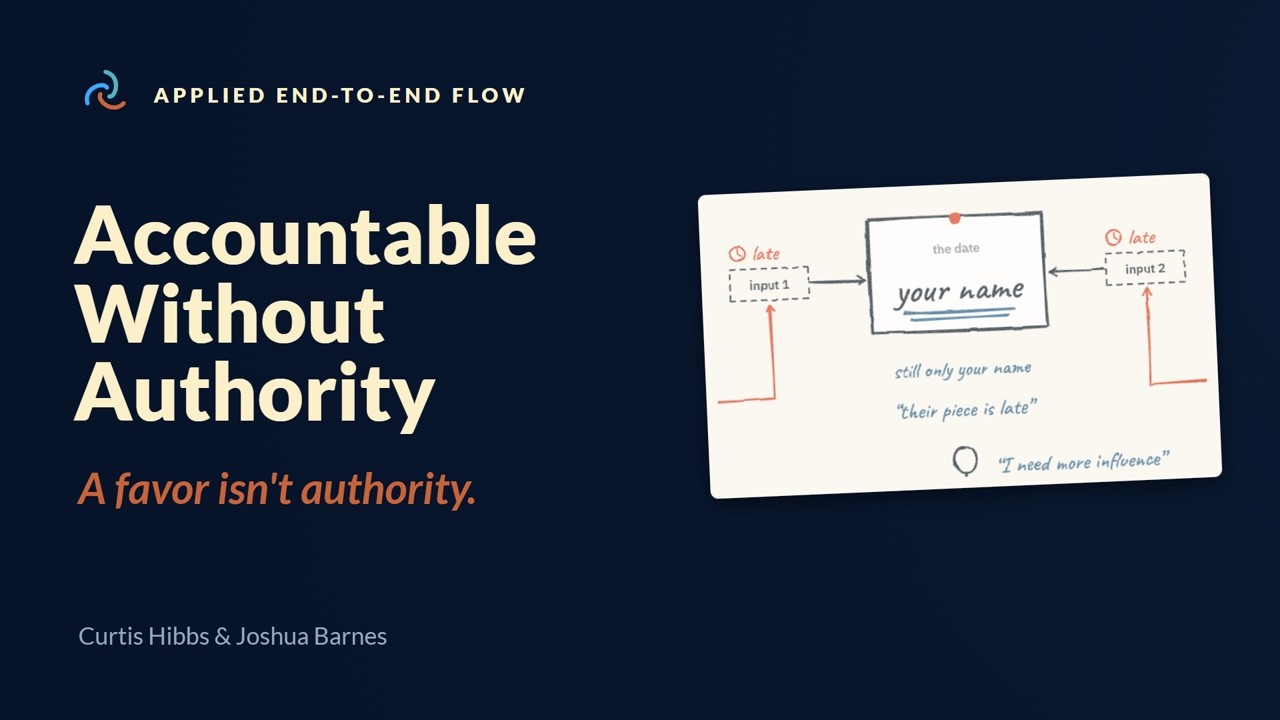
Accountable Without Authority: Why Influence Only Buys Favors
Your name is on the date, and the inputs it needs sit on other people's lists. Why more influence only gets you a favor, and the record and the question that can change the arrangement.
Applied Enterprise AI
Where the time and capacity that AI frees up actually goes.
-
 2:19
Where Freed Capacity Goes, part 5
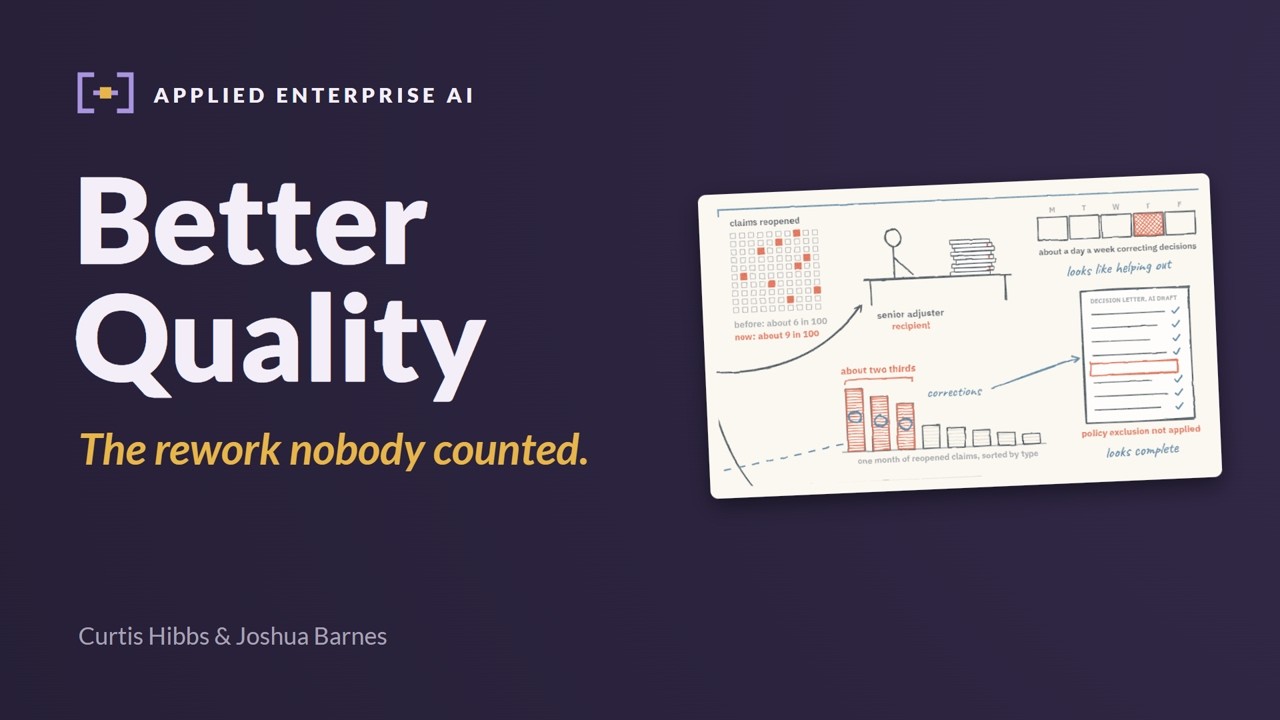
The Rework Nobody Counted: What AI Hours-Saved Reports Miss
When AI saves hours, the report counts them where the work leaves. This film follows the work to where it lands: why the report can't say whether quality went up or down, and where to spend the freed time.
-
 2:01
Where Freed Capacity Goes, part 6
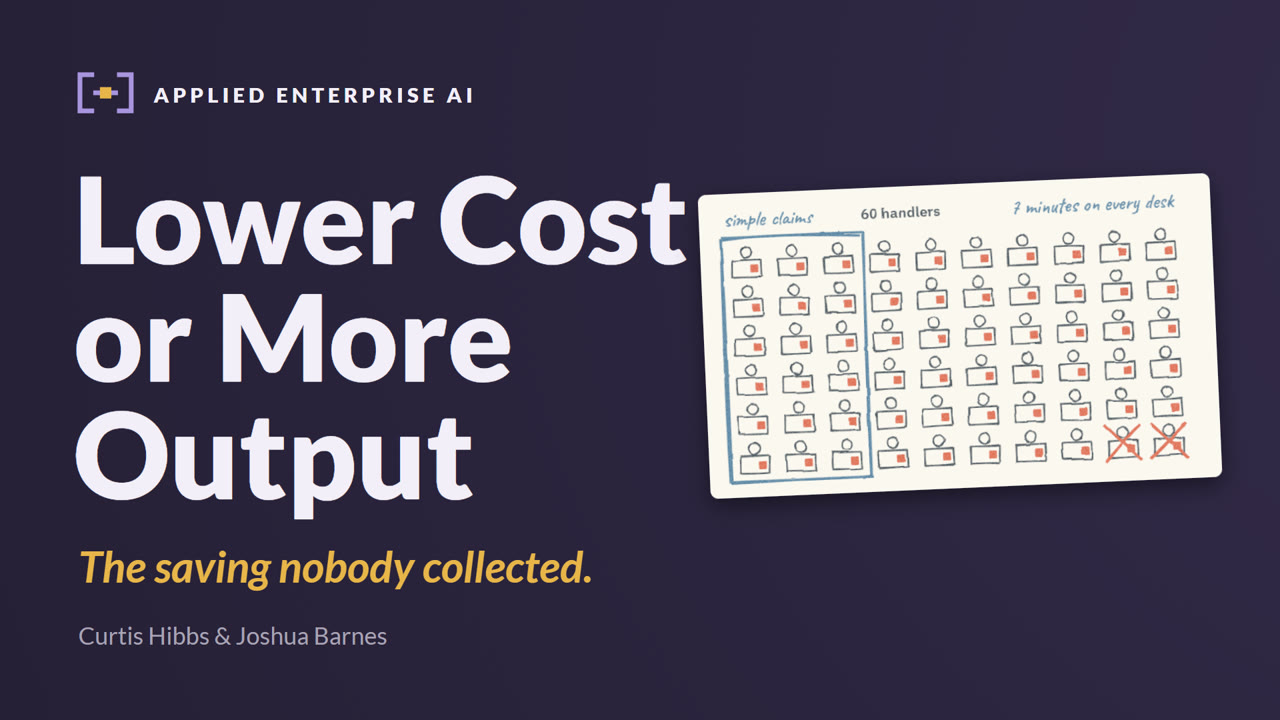
Cut It or Grow Into It: Where an AI Time Saving Goes
Next year's budget already has six fewer claims handlers in it, because a vendor's estimate went straight in. This two-minute film follows a constructed claims operation as it measures the saving, gathers it, and chooses where it goes.
-
 2:07
Value Maxxing
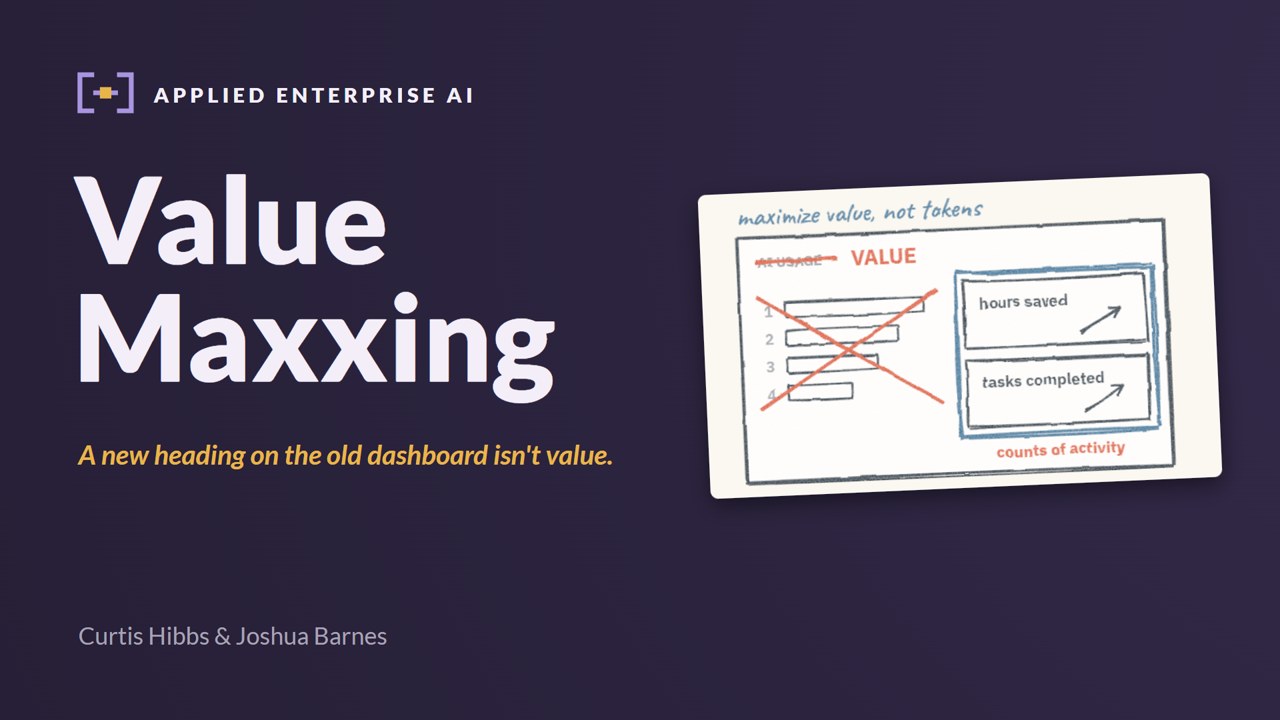
Value Maxxing: What the AI Usage Dashboard Doesn't Show
A usage dashboard gets a new heading, and shows the same hours saved and tasks completed. This two-minute film follows one price quote to the customer to show what value is: what the work does for the customer, for each completed unit, at full cost, with harm counted.
-
 1:54
The Value-Risk Flywheel
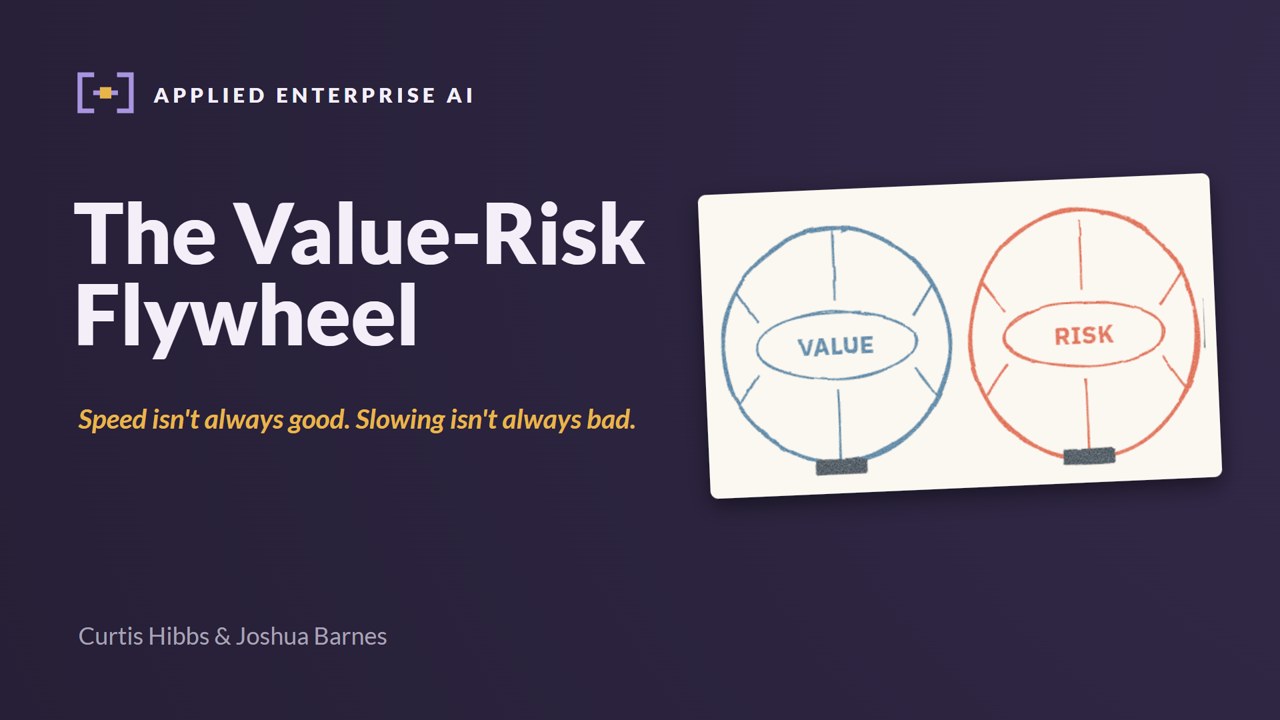
The Value-Risk Flywheel: Speed Isn't Always Good
Two meetings discuss the same AI effort: in one the review step is why it is slow, in the other why it is safe to run. This two-minute film draws Gartner's Value-Risk Flywheel between them and sorts that review step into good and bad momentum and good and bad drag.
-
 2:17
The Working Model
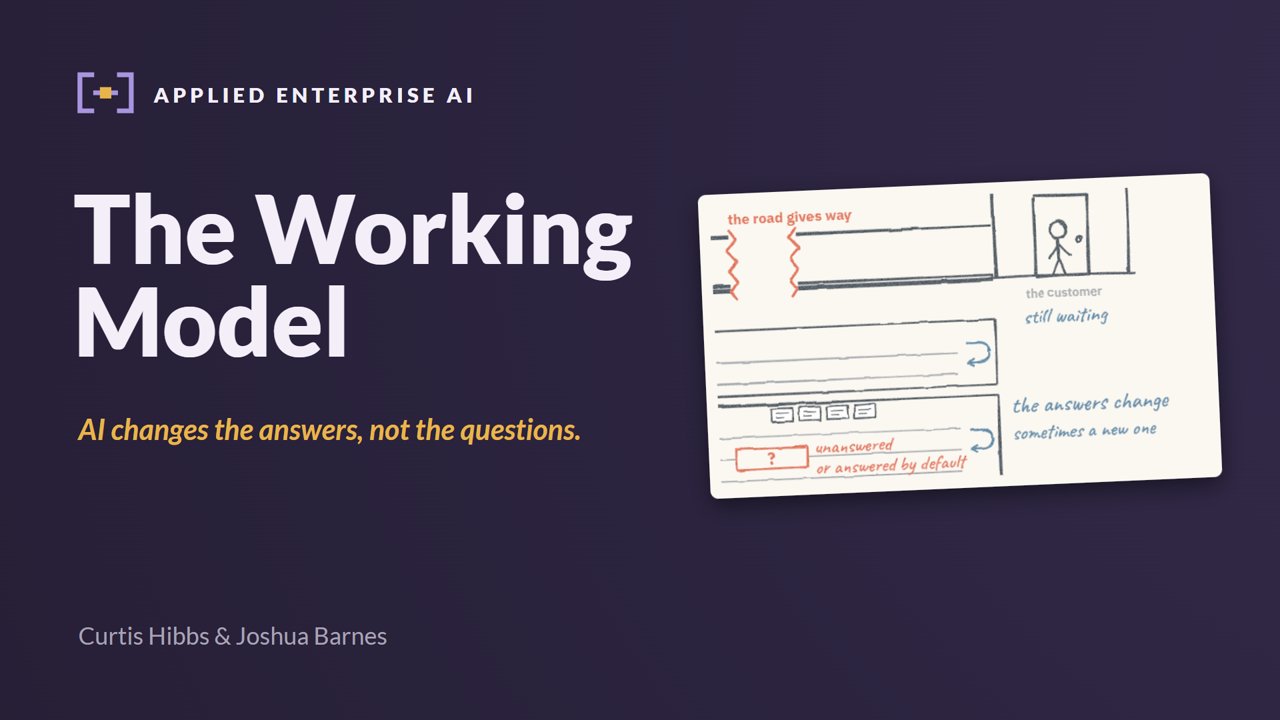
The Working Model: AI Changes the Answers, Not the Questions
AI can make one stretch of the road from a decision to a customer very fast, and the customer can still be waiting. This two-minute film introduces the Applied Enterprise AI working model: thirteen standing questions, in five groups, that every organization has to keep answering, whatever its tools.